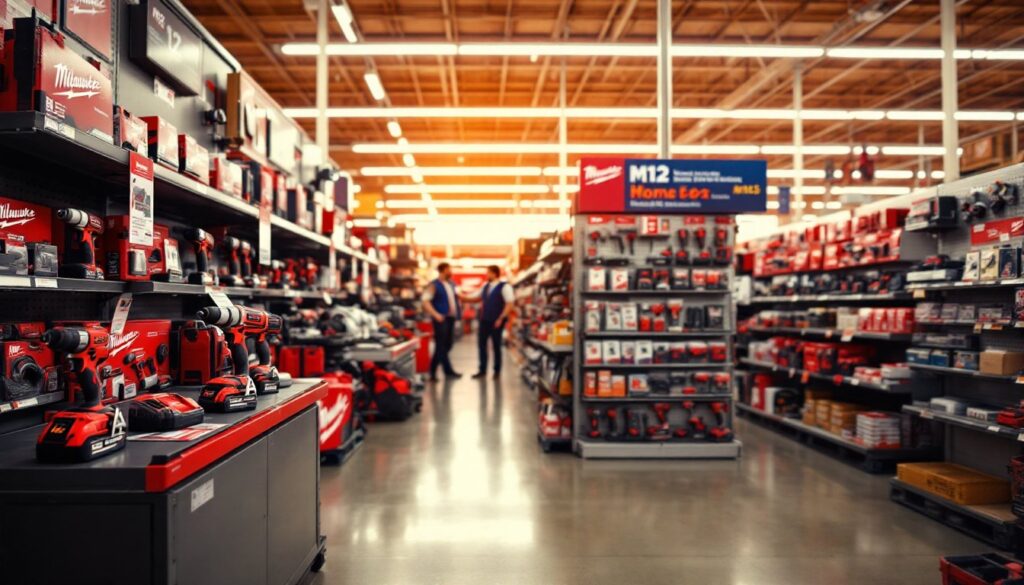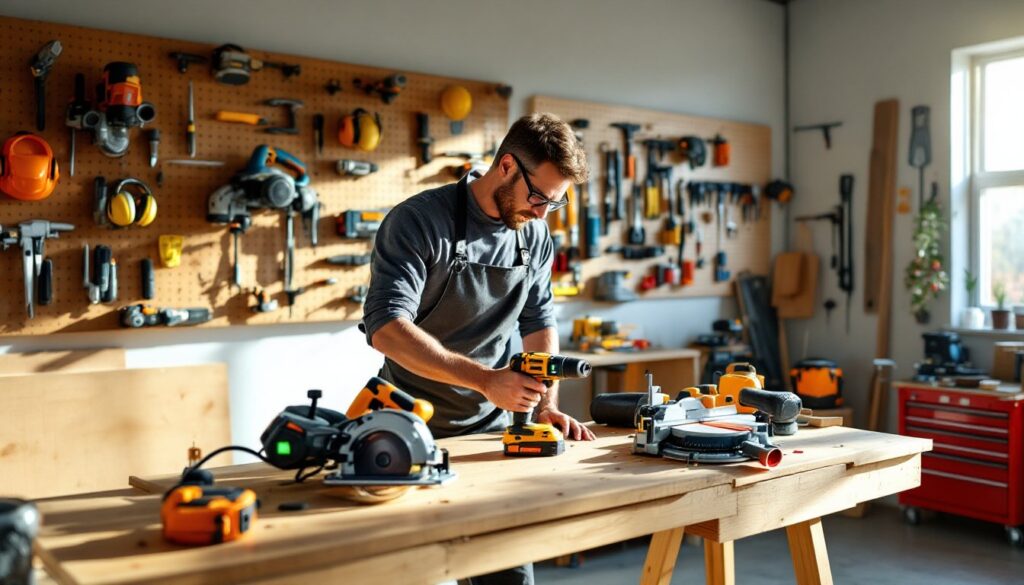

Whether you’re nailing trim, driving fasteners, or powering pneumatic tools, a quality air compressor is one of those workshop upgrades that’ll pay for itself quickly. Milwaukee air compressors have built a solid reputation among DIYers for combining reliability with practical features that make sense on job sites and in home garages. This guide walks you through what sets Milwaukee’s offerings apart, which models fit your projects, and how to keep your compressor humming for years without the nonsense of industry jargon. If you’ve been eyeing one but weren’t sure where to start, you’re in the right place.
Table of Contents
ToggleKey Takeaways
- Milwaukee air compressors combine durability, reasonable noise levels, and straightforward operation with readily available parts and compatible quick-couplers that integrate seamlessly into existing Milwaukee tool systems.
- Tank size selection is critical: 2-gallon models suit trim and finish work, 8-gallon units offer the sweet spot for general DIY projects, and 20-gallon tanks provide the power and volume for spray painting and simultaneous multi-tool operation.
- CFM (cubic feet per minute) and PSI (pounds per square inch) specifications must match your tools—list your equipment’s air requirements before buying a Milwaukee air compressor to avoid undersized or oversized units.
- Regular maintenance including weekly tank drainage, monthly filter inspection, and proper moisture trap installation extends your compressor’s lifespan and ensures consistent performance for years of workshop use.
- Most Milwaukee DIY-focused air compressors run on standard 120-volt household power, eliminating the need for special wiring while delivering adequate performance for typical home garage and job site applications.
Why Milwaukee Air Compressors Stand Out in the DIY Market
Milwaukee’s air compressors have earned trust among both weekend warriors and contractors because they focus on what actually matters: durability, reasonable noise levels, and straightforward operation. Unlike some budget brands that cut corners on tank construction or pump quality, Milwaukee invests in components that withstand regular use without requiring a second mortgage to maintain.
The brand backs its reputation with genuine warranties and readily available parts. If something does break, and after years of use, wear happens, you won’t spend weeks hunting for replacement filters or rebuild kits. Milwaukee also understands that DIYers value portability and space efficiency. Their compressor lineup includes ultra-portable models perfect for smaller shops alongside larger units that deliver consistent performance for extended projects.
Perhaps most importantly, Milwaukee tools play nice together. If you’re already using Milwaukee drills, saws, or lights, adding their air compressor means compatible quick-couplers and a cohesive workshop system. That integration saves frustration and keeps your setup clean and organized.
Key Features to Look for in a Milwaukee Air Compressor
Portability and Tank Size Options
Milwaukee offers compressors in a range of tank capacities, typically from 2 gallons up to 20 gallons or more. A 2-gallon portable model is fantastic if you’re moving between projects or working in tight spaces, it fits in a car trunk and won’t dominate your garage corner. These smaller units are perfect for brad nailers, pin nailers, and finish work where you don’t need continuous air supply.
Step up to 5- to 8-gallon models, and you get better air storage for intermittent use with tools like impact wrenches or air ratchets. The trade-off is weight: expect to move these less frequently. For serious DIYers who run multiple tools or work for hours, a 20-gallon tank or larger holds enough air that your pump doesn’t cycle constantly, which reduces noise and extends motor life.
Handle design and wheel placement matter more than people think. A side-handle with rigid wheels beats a flimsy plastic carry bracket when you’re hauling a full compressor across uneven driveway surfaces. Check the footprint, too, you want something that actually fits your storage situation, not a unit that blocks your workbench.
Power Source and Performance Specifications
Most Milwaukee DIY-focused compressors run on standard 120-volt household power, which is a huge advantage. You plug in, flip the switch, and go. No special wiring needed. Some heavier-duty models require 240 volts, which delivers more power and faster recovery times but demands a dedicated circuit or 30-amp service in your garage. Know what you have before you buy.
Cubic feet per minute (CFM) and pounds per square inch (PSI) are the specs that actually matter. PSI is how hard the compressor pushes air: most DIY work tops out around 90 to 120 PSI. CFM tells you the air volume the pump delivers. A brad nailer might need only 0.3 CFM, while an impact wrench demands 4 to 5 CFM. List your tools and cross-reference their CFM requirements with the compressor’s rated output at max pressure. Milwaukee publishes these numbers clearly, no guessing games. Also note that CFM decreases as PSI increases on the same pump, so a unit rated at 2 CFM @ 90 PSI delivers less at 120 PSI. Recovery time, how long the pump takes to refill the tank after use, is equally important. Faster recovery means less downtime between tasks.
Popular Milwaukee Air Compressor Models for Home Projects
Milwaukee’s 2-gallon compact compressor (model varies by year) is the go-to for trim carpenters and finish work. It’s quiet enough not to enrage your neighbors, light enough to carry one-handed, and has the air capacity for a full day of brad nailing or pneumatic stapling. It’s honestly a no-brainer if you do occasional finish carpentry or detail work.
The 8-gallon model sits in that sweet spot for general DIYers. It’s powerful enough for air ratchets and impact tools without being so massive that you need a second person to move it. Recovery is snappy, and the tank size lets you do real work without the pump constantly running. This is Milwaukee’s bread-and-butter compressor for the home shop.
For the more ambitious DIYer, their 20-gallon and tank models give you the volume and pressure consistency needed for spray painting, continuous air tool operation, or running two tools simultaneously. These aren’t portable in the casual sense, but they’re the real workhorses that make your entire tool collection more useful.
When comparing Milwaukee against other brands, recent reviews of air compressors show Milwaukee consistently scoring high for reliability and user experience. You’ll also find that professional tool tests highlight Milwaukee’s balanced approach to power, noise, and affordability, positioning them solidly in the mid to upper range without the premium pricing of some industrial-grade alternatives.
Getting Started: Setup, Maintenance, and Best Practices
Fresh out of the box, your Milwaukee compressor needs a few minutes of honest prep before you fire it up. Check the manual for the break-in procedure, some units recommend running at no load for a short time. Drain any moisture from the tank before use: moisture corrodes steel from the inside. Most Milwaukee models have a drain valve at the tank bottom. Open it, let water or condensation dribble out, then close it back up. Do this weekly if you’re running the compressor regularly.
Install a moisture trap and regulator on the air line leading to your tools. These filter out water vapor and let you dial in the exact pressure your tools need. Overfeeding pressure to a brad nailer wastes air and can bend nails: undershooting starves an impact wrench. A simple pressure gauge mounted on the regulator puts control in your hands.
Regularly inspect the intake filter (usually replaceable felt or foam). A clogged filter makes the pump work harder and shortens its life. If you run the compressor in a dusty workshop, inspect it monthly. The motor brushes (in electric models) eventually wear out, but that’s normal wear that’s measured in years of use, not months.
When you’re not using the compressor for extended periods, drain the tank completely and store it in a dry spot. Moisture sitting inside a tank over winter is asking for rust. For setups at classic home projects and restoration work, compressor reliability becomes even more critical since interruptions derail your schedule. Keep your unit protected and ready.
Conclusion
A Milwaukee air compressor is a smart investment for any DIYer serious about expanding what they can accomplish. Whether you pick a portable 2-gallon model or step up to a 20-gallon tank, you’re getting equipment designed to last, parts that stay available, and a tool that integrates smoothly into your shop. Take time to match the size and power spec to your actual projects, nail the basic maintenance routine, and you’ll have a reliable workshop partner for years.