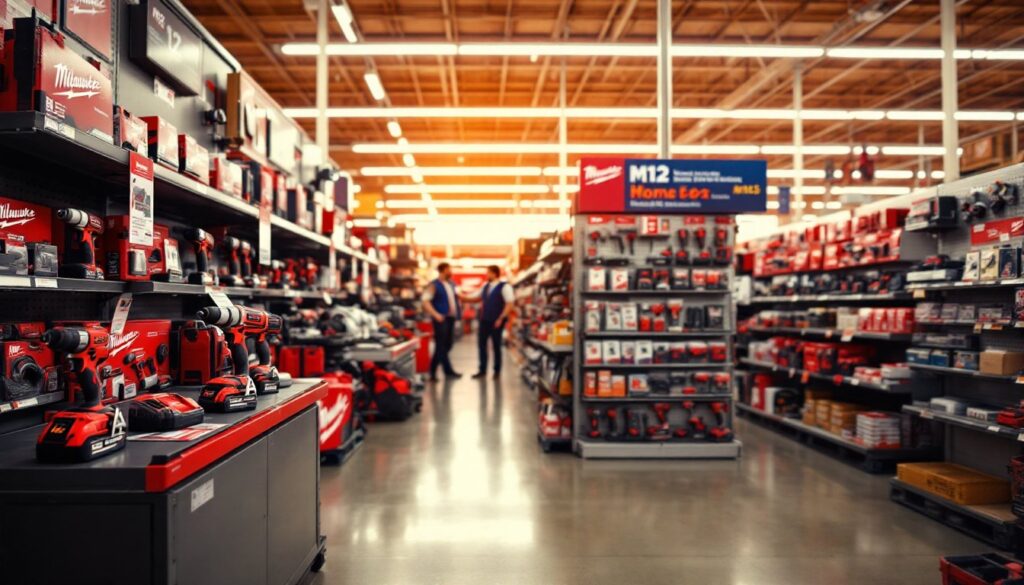

A chainsaw sits in your garage gathering dust because you’re not sure which one’s right for your property, or you’ve heard too many stories about kickback and awkward learning curves. Milwaukee Tools chainsaws have quietly become a go-to choice for homeowners tackling everything from storm cleanup to firewood prep. The reason isn’t hype: it’s honest engineering and battery technology that actually delivers. Whether you’re trimming branches or cutting through a fallen tree, knowing how to pick and use the right Milwaukee chainsaw can save you money, frustration, and time.
Table of Contents
ToggleKey Takeaways
- Milwaukee Tools chainsaws combine reliable engineering and battery technology to deliver practical solutions for homeowners tackling storm cleanup, tree trimming, and firewood preparation without gas maintenance hassles.
- Battery-powered Milwaukee chainsaws with M18 or M12 platforms eliminate fuel mixing and spark-plug maintenance while allowing battery compatibility with other Milwaukee tools, saving both money and shed space.
- A 14-inch bar length handles 90 percent of residential cutting tasks, and weighing 10–12 pounds, battery models reduce fatigue significantly compared to heavier gas alternatives for overhead or ladder work.
- Regular chain tension checks before each use and sharpening every 5–10 hours of cutting prevent dangerous failures and extend your Milwaukee chainsaw’s lifespan and performance.
- Proper safety gear—ANSI-certified goggles, hearing protection, cut-resistant chaps, and steel-toed boots—plus a two-handed grip and awareness of kickback risks are non-negotiable for every cutting session.
Why Milwaukee Tools Chainsaws Stand Out
Milwaukee has built its reputation on tools that homeowners and contractors actually use, not just buy and forget. Their chainsaws fit that pattern. The brand invests heavily in M18 and M12 battery platforms, meaning if you already own Milwaukee drills or grinders, you can swap batteries between tools. That saves money and reduces the clutter of chargers and power packs in your shed.
The build quality is solid without being overkill. Bar lengths range from compact 6-inch models for pruning to 16-inch saws for serious firewood work. Materials like reinforced plastic handles and steel chains hold up to repeated use, not just the first project. Many homeowners appreciate that the engines and motors run cooler and quieter than older gas models, your neighbors at 8 a.m. on Saturday won’t send angry glares. Battery-powered options eliminate the two-stroke smell and spark-plug maintenance that frustrate first-timers with gas equipment.
Popular Milwaukee Chainsaw Models for Homeowners
Battery-Powered vs. Gas-Powered Options
Milwaukee’s lineup leans heavily into battery-powered machines, and for good reason. The M18 FUEL 14-Inch Chainsaw is their workhorse for most residential properties. It delivers enough cutting power for branches, small trees, and firewood without the fuss of fuel mixing or spark-plug swaps. Runtime on a single 9.0 Ah battery runs 20–30 minutes, depending on wood density, plenty for weekend projects on typical residential lots.
If you need something lighter for occasional trimming, the M12 FUEL 6-Inch Chainsaw fits easily in one hand and works well for overhead pruning and delicate cuts near structures. It’s not a replacement for bigger jobs, but it excels at the 30-second tasks homeowners constantly face.
Gas-powered options like the Milwaukee 25cc Gas Chainsaw still exist for contractors and homeowners who need all-day runtime without battery swaps. Gas does require fuel mixing, annual spark-plug checks, and carburetor cleaning if you’re storing it over winter, trades homeowners should weigh carefully. Experts at Popular Mechanics frequently evaluate portable power tools, and gas-to-battery comparisons consistently highlight runtime convenience as the tipping point for residential use. The battery models eliminate downtime, which matters when you’re juggling family schedules.
Key Features to Consider When Choosing
Bar length is the first practical decision. A 14-inch bar handles 90 percent of residential cutting, branches, deadfall, and small logs up to 12 inches thick. Longer bars (16–18 inches) increase weight and fatigue without proportional benefit for homeowners. Shorter bars (6–8 inches) are nimble but slower on thicker wood.
Chain speed and power delivery matter for how quickly you cut and how tired your arms get. Milwaukee’s FUEL brushless motors adjust power automatically, they don’t waste battery spinning at full throttle while idling. That translates to longer runtime and less vibration fatigue during extended trimming sessions.
Weight becomes critical if you’re cutting overhead or working on a ladder. A 14-inch battery model weighs around 10–12 pounds, compared to 15+ pounds for equivalent gas saws. Over two hours of work, that difference is real.
Safety features deserve attention. Most modern chainsaws include chain brakes that stop the chain within milliseconds if the bar kicks back, and automatic oiling systems that keep the chain lubricated without manual adjustment. Milwaukee includes tool-free spark arrestor access and vibration-damping systems on many models, small touches that reduce hand fatigue and simplify maintenance. Check product specifications to confirm which safety features match your skill level: beginners benefit from automatic oiling and responsive brakes.
Maintenance Tips to Extend Your Chainsaw’s Life
Regular Care and Storage Best Practices
Chain tension is the most common point of neglect, and the fastest way to ruin a saw. Check tension before each use by pulling the chain with a gloved hand: it should pull away from the bar slightly but snap back into the groove. A loose chain flies off, defeating the whole project. A tight chain strains the motor and wears out faster.
Chain sharpening comes next. A dull chain forces you to push harder, increasing fatigue and accident risk. Most homeowners should sharpen every 5–10 hours of cutting, depending on how much dirt or grit you encounter. Sharpen at a 30-degree angle using a round file matched to your chain size (usually 3/16-inch or 1/4-inch, printed on the chain packaging). If filing isn’t your thing, many local equipment shops offer professional sharpening for $15–$30, cheap insurance against buying a new chain early.
Battery storage matters more than people realize. Milwaukee batteries should be stored in a cool, dry place and charged to about 50 percent before long-term storage (over a month). That protects cell chemistry and extends overall lifespan by a year or more. Gas-powered saws need drained fuel tanks or fuel stabilizer mixed in before winter storage to prevent carburetor gunk buildup.
Oil level is straightforward: check the bar oil reservoir monthly and top up with chainsaw oil (NOT motor oil, it’s too thick and won’t lubricate properly at high speed). Clean the air filter every 10–20 hours of use. For battery models, swap the M18 battery to other Milwaukee tools if you’re not using the saw regularly, keeps the battery active and healthier. As Fix This Build That details in their workshop setup guides, preventive maintenance on power tools cuts frustration and extends tool life more than any purchase decision.
Safety First: Essential Operating Guidelines
A chainsaw commands respect. Before you cut, wear ANSI-certified safety goggles or a full-face shield to guard against kickback debris, and hearing protection, a chainsaw runs at 100+ decibels. Cut-resistant chaps or pants are non-negotiable: they’re designed to jam the chain if contact happens, buying you fractions of a second. Steel-toed boots keep your feet stable and protected.
Hold the saw firmly with both hands, feet shoulder-width apart, and never cut above shoulder height, loss of control happens fast. Avoid loose clothing or long hair that can snag the chain. If you’re tired, stop: fatigue is the enemy.
Kickback happens when the upper part of the bar hits something and throws the saw violently backward or upward. It’s the leading cause of chainsaw injuries. Use a two-handed grip at all times, position yourself so you’re not in line with the bar, and keep your body to the side. Most modern Milwaukee saws have chain brakes that stop rotation instantly if the bar hits something, but they’re a backup, not a license to be careless.
Gas saws require a clear head before refueling: never mix fuel while the engine is running or hot. Battery saws are simpler, just swap the battery and you’re cutting again. Both require a first-aid kit within arm’s reach and someone nearby who knows CPR, especially if you’re working alone on a ladder or near a property edge. If you’ve never used a chainsaw, ask an experienced friend or professional to walk you through the first job. Mistakes at speed teach painful lessons. Good Housekeeping tested mini chainsaws and emphasized that safer, smaller models build confidence for beginners before tackling larger projects.