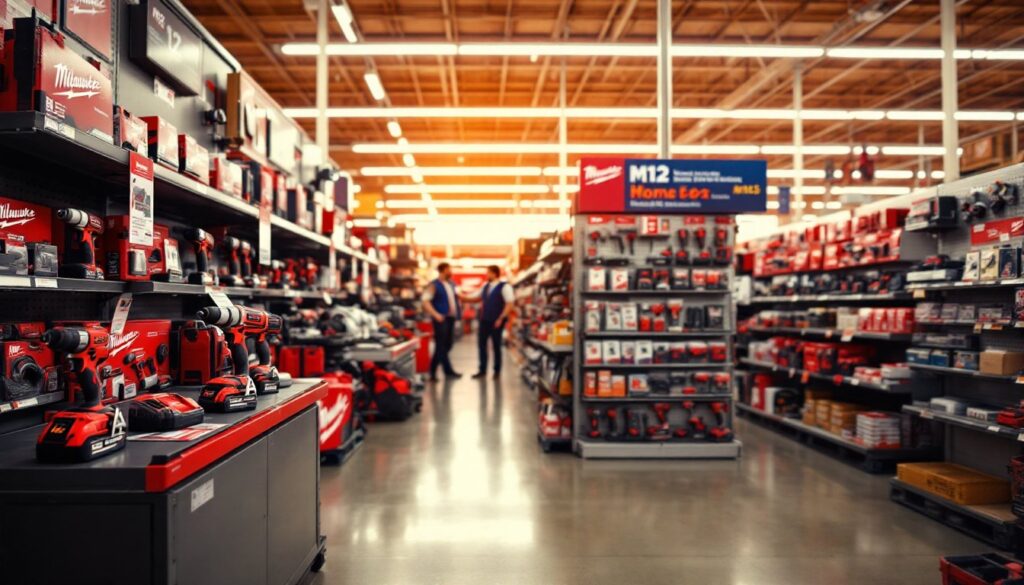

If you’ve tackled anything from plumbing to electrical work in your home, you’ve probably realized that the right tool makes all the difference. Milwaukee press tools have become a go-to choice for DIYers who want professional results without the professional price tag. These tools excel at fastening, joining, and crimping tasks that would otherwise require multiple specialized devices or expensive contractor-grade equipment. Whether you’re installing PEX tubing, crimping connectors, or pressing bearing surfaces together, Milwaukee’s lineup of press tools offers reliability and precision for common home improvement jobs. In 2026, they remain among the most practical investments for any serious DIY enthusiast or homeowner looking to expand their workshop capabilities.
Table of Contents
ToggleKey Takeaways
- Milwaukee press tools deliver consistent, controlled pressure for PEX fittings, connectors, and bearing assemblies, eliminating the weak and inconsistent results of hand-crimping methods.
- Cordless Milwaukee press models ($200–$500) offer convenience and portability for DIY projects, while manual hydraulic options provide budget-friendly solutions starting under $100.
- Choose your Milwaukee press tool based on project requirements: cordless for light work (2–3 tons), hydraulic for heavier applications (4–6 tons), or rentals ($25–$50/day) for one-time jobs.
- Proper alignment, debris-free work surfaces, and fully charged batteries are critical to avoiding failed joints; always inspect your press before use and test on scrap material first.
- Milwaukee press tools’ modular design replaces multiple specialized devices, saving workshop space and making them practical investments for recurring plumbing, HVAC, or electrical work.
What Are Milwaukee Press Tools and Why They Matter for DIY Projects
Milwaukee press tools are compact, powered devices designed to apply controlled, consistent pressure for joining, fastening, and pressing applications. Unlike hammers or manual clamps, they deliver repeatable force, critical when you’re working with PEX fittings, press connectors, or bearing assemblies where consistency determines whether the job holds or fails.
They matter because traditional methods often fall short. Hand-crimping connectors is exhausting and produces weak, inconsistent results. A manual press requires serious physical effort and still risks misalignment. Milwaukee’s cordless and manual press options solve these problems by automating the pressure application, reducing user fatigue, and improving accuracy. For homeowners tackling plumbing upgrades, HVAC work, or mechanical projects, these tools cut installation time significantly and eliminate doubt about joint quality.
The versatility is another draw. A single press tool can handle multiple jaw or die options, replacing several single-use tools cluttering your workshop. That modularity appeals to DIYers with limited space and budgets. Build a small toolkit with the base press unit and a few interchangeable heads, and you’re ready for most residential fastening tasks.
Key Types of Milwaukee Press Tools Every Homeowner Should Know
Cordless Press Models
Cordless press tools from Milwaukee run on their M18 or M12 battery platforms, giving you freedom to move around the job site without hunting for outlets or dragging extension cords. The cordless models are lighter than hydraulic counterparts and ideal for overhead work or tight spaces where you need one-handed control or balance.
These tools typically deliver 2 to 4 tons of pressing force, enough for PEX fittings, electrical connectors, and small bearing presses. Battery runtime is usually 30–60 presses per charge, depending on the model and force demand. The feedback is immediate: you hear a click or feel resistance when the press reaches full force, so you know the joint is complete. Recharge time with fast chargers runs 30 minutes, making it practical to swap batteries mid-project.
The downside is initial cost. Cordless models run $200–$400 for the press head alone, not including batteries or a charger if you don’t already own them. But, if you’re already invested in Milwaukee’s battery ecosystem, which many homeowners are for drills, saws, and impact drivers, the cordless press becomes an affordable addition.
Manual and Hydraulic Press Options
Manual press tools use screw or lever action to apply pressure. You turn a handle or pull a lever, and mechanical advantage does the work. They’re cheap (often under $100), require no electricity or batteries, and are dead-simple to troubleshoot. For occasional use, say, pressing a bushing onto a shaft once every couple of years, a manual press makes sense.
The catch is effort. Applying 4 tons of force by hand is tiring, and inconsistent pressure is easy if you’re not methodical. Hydraulic presses bridge the gap: they use fluid pressure to multiply your input force, so 30 pounds of hand pressure becomes thousands of pounds at the work point. Milwaukee’s manual hydraulic models are durable and compact, fitting easily on a workbench.
For homeowners considering a DIY mini hydraulic press, that’s another budget-friendly route, though it requires fabrication. A commercial Milwaukee hydraulic press is pre-built, calibrated, and backed by warranty, worth the extra cost if you’ll use it regularly.
Choosing the Right Milwaukee Press Tool for Your DIY Needs
Start by asking what you’ll actually press. If it’s mostly PEX fittings and electrical connectors, a cordless press with 2–3 tons of force covers you. Heavier jobs, like pressing bearings onto shafts, bushings into housings, or structural fasteners, demand 4–6 tons or more. Check the job’s specifications: PEX systems typically call out press force requirements, and HVAC guides do the same for refrigerant line crimping.
Frequency matters too. If you’re doing plumbing upgrades once and never again, renting a press for a weekend beats owning one. If you install PEX every few years or do regular HVAC work, ownership justifies itself in convenience and availability. Consider your existing battery ecosystem: Milwaukee cordless tools use interchangeable batteries, so if you already own drills and saws, adding a press press is simpler and cheaper than buying a new brand.
Budget reality: cordless presses run $200–$500 for the head alone. Add batteries and chargers if you don’t have them ($100–$200). Manual hydraulic presses cost $100–$300. Rentals from equipment shops run $25–$50 per day. For one-time jobs, rent. For recurring needs, invest in the right press. Resources like Bob Vila’s home improvement guides and Family Handyman’s repair tutorials often feature real-world comparisons of tool options for specific projects, giving you clarity on whether purchase or rental makes sense.
Always verify that your chosen press accepts the specific dies or jaws your project needs. Milwaukee offers modular heads, but not every press works with every attachment.
Practical Tips for Using Milwaukee Press Tools Safely and Effectively
Before the first press, inspect the work surface and dies for debris or damage. Dirt or nicks prevent proper seating, causing weak or incomplete joints. Clean the work area and ensure all components, tube, fitting, or connector, are aligned straight. Misalignment is the #1 cause of failed joints and bent work.
Always wear safety glasses when pressing. Metal shavings, plastic chips, or debris can spray outward under pressure. If you’re working with crimped fittings or electrical connectors, wear gloves to protect hands from sharp edges. For extended use with a manual press, work gloves reduce hand fatigue.
For cordless models, confirm the battery is fully charged before starting. A dying battery won’t deliver full force, and you may have to restart, damaging the workpiece. Test the press on scrap material first, especially if you’re new to a particular die set. This confirms force, alignment, and that you’re holding it correctly.
With manual presses, apply steady, consistent pressure. Don’t jerk or hammer the handle: controlled motion ensures clean, square results. On hydraulic models, pump slowly and feel for resistance. Many presses have pressure gauges: if your model includes one, note the target PSI and stop at that point, don’t over-pump.
After the job, check that the joint is solid. For fittings, tug gently to confirm it won’t pull free. Listen for audible clicks or feel for a solid stop, most presses have tactile feedback when the stroke completes. If something feels loose or incomplete, you may need to re-press or investigate whether the fitting is damaged.
Store your press in a clean, dry space. Cordless batteries stay healthier in moderate temperatures (avoid extreme cold or heat). Manual and hydraulic presses have few moving parts, but checking fluid levels and wiping them down prevents rust and keeps them ready for the next job.
Conclusion
Milwaukee press tools bring professional-grade precision and reliability to DIY workshops without requiring specialized training or expensive contractor rates. Whether you choose a cordless model for convenience, a manual press for budget efficiency, or a hydraulic option for consistent force, the payoff is cleaner joints, faster installation, and projects you can stand behind confidently. Take time to assess your specific needs, invest in the right tool for the job, and prioritize safety with proper PPE and technique. Your future self, facing plumbing upgrades or electrical work, will thank you for having the right press tool already on the shelf.