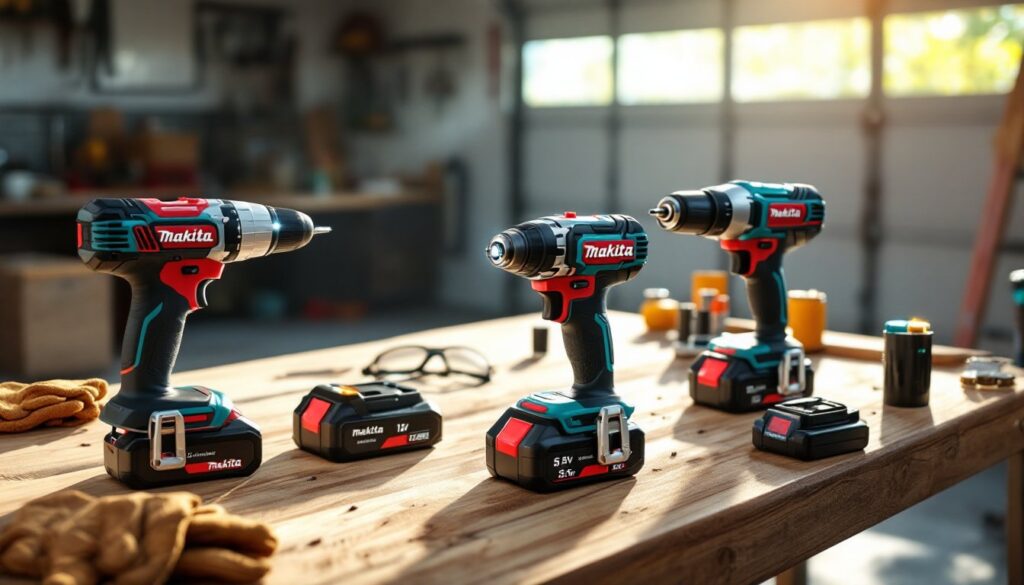

Power tools are the difference between a DIY project that takes all weekend and one you can knock out by lunchtime. Whether you’re hanging shelves, building a deck, or tackling a full kitchen remodel, these motorized machines multiply your strength and accuracy far beyond what hand tools alone can do. For homeowners and DIY enthusiasts, understanding which power tools matter, and how to use them safely, transforms your workshop from a frustration zone into a productive space. This guide cuts through the noise and gives you exactly what you need to know about power tools, which ones are truly essential, and how to choose them for your needs.
Table of Contents
ToggleKey Takeaways
- Power tools multiply your strength and accuracy by automating repetitive tasks, turning weekend projects into half-day jobs.
- Every DIY workshop should start with a cordless drill and a circular saw—these two power tools cover approximately 80% of household projects.
- Safety is non-negotiable: always wear PPE, read the manual before use, secure your work with clamps, and never remove guards to make cuts easier.
- Buy power tools strategically by starting small, adding specialized tools as projects demand, and renting expensive equipment for one-time use rather than purchasing it.
- Quality mid-tier power tools ($150–$250) from established brands often outperform cheap discount models and include extras like spare batteries that save money long-term.
Understanding Power Tools and Their Role in DIY Projects
Power tools are any tool that runs on electricity, battery, compressed air, or gas, basically anything that isn’t purely manual. They’re designed to do repetitive tasks faster, more precisely, and with less physical strain than hand tools. A cordless drill, for example, can drive hundreds of screws before your wrist gets tired. A miter saw cuts 45-degree angles in seconds: doing it by hand with a handsaw would take minutes and likely be less accurate.
In a home workshop, power tools fall into a few clear categories. Stationary tools like table saws stay in one spot and you bring the material to them. Handheld power tools, drills, sanders, circular saws, you move to the work. Corded tools plug into a wall outlet and never lose power but tether you to an extension cord. Battery-powered (cordless) tools give you freedom of movement, though battery life varies. Pneumatic tools run on compressed air and are lighter but require an air compressor.
When you’re deciding whether to invest in power tools, start by thinking about the type of work you actually do. A homeowner framing a bedroom wall needs different tools than someone refinishing furniture. Best Power Tools: Unlock breaks down the landscape for beginners. The key is matching the tool to the task, not buying everything you see at a big-box store.
Essential Types of Power Tools Every Homeowner Should Know
Drills, Saws, and Sanders: The Foundation Tools
If you’re starting a workshop from scratch, a cordless drill (also called a drill-driver) should be your first power tool purchase. It drills holes, drives screws, and with the right bit, can stir paint or bore holes for plumbing. Look for an 18-volt to 20-volt model with a 1/2-inch chuck (the part that holds the bit). Avoid cheap discount models, they burn out fast and frustrate you into hand tools.
A circular saw or miter saw handles crosscutting lumber to length and angle cuts. A circular saw is portable and versatile (around 7.25 inches blade diameter is standard for residential framing). A miter saw costs more, takes up workshop space, but gives you repeatable angle cuts that are much cleaner. If you’re only making rough crosscuts, the circular saw wins. Building trim work? Miter saw all day.
For finishing work, a orbital sander smooths wood surfaces and paint prep in a hurry. A random-orbital sander uses a round pad that oscillates and spins, reducing visible sanding patterns. A reciprocating saw (or “sawzall”) cuts through nails, pipe, and demolition work, indispensable for remodeling but overkill if you’re only building from new lumber.
Specialized Power Tools for Advanced Projects
Once you’ve mastered the basics, Workshop Tools and Equipment: Transform Your DIY Projects into Masterpieces covers deeper territory. A table saw is a shop centerpiece for rip cuts (lengthwise cuts along the grain). It’s dangerous without respect and training, but nothing beats it for consistency when you’re milling lumber to width. A band saw makes curved cuts, think cutting out a custom shelf shape.
A jigsaw handles intricate curves and notches and costs under $100 for a solid model. A router shapes edges, creates grooves (called dados), and cuts joinery, not essential for hanging drywall but essential if you’re building furniture. A nail gun (pneumatic or battery-powered) saves time on framing and trim, though it requires hearing and eye protection and carries serious safety considerations. A power planer quickly brings rough lumber to smooth, consistent thickness. A angle grinder cuts and grinds metal, stone, and concrete, serious tool for serious work.
None of these is essential for basic home maintenance, but each scratches a specific itch. Buy them as projects demand, not because they look cool.
Safety First: Operating Power Tools Responsibly
Power tools demand respect. Every year, thousands of DIYers end up in emergency rooms because they skipped a safety step or got careless. Here’s what matters.
Always wear PPE (personal protective equipment). Safety glasses or a face shield protect against flying debris, non-negotiable. Dust masks or respirators prevent inhaling sawdust, paint overspray, or worse. For loud tools like circular saws, angle grinders, or nail guns, hearing protection (earmuffs or earplugs) prevents permanent damage. Cut-resistant gloves help when handling sharp edges, though never wear loose gloves around spinning bits or blades.
Read the manual before plugging in any new tool. Seriously. It tells you the right blade type, speed settings, and safety features specific to that model. Check that guards are in place, never remove a blade guard to make a cut “easier.” One slip and you’re missing a finger.
Keep your workspace clear and well-lit. Trip hazards and cords tangled underfoot are how accidents happen. Unplug corded tools when changing bits or blades. For cordless tools, keep the battery disconnected. Secure your work with clamps, don’t hold it in your hand. Your hands are for guiding and controlling, not restraining a piece of wood spinning in a tool.
Be aware of load limits. A 1/2-inch drill bit in a 3/8-inch chuck won’t work: it’ll spin unpredictably. Match tool capacity to the job. If you’re working with masonry, concrete, or structural members, codes vary by location, check your local building department about whether you need permits or licensed professionals.
Battery safety matters, too. Lithium-ion batteries (standard in modern cordless tools) are safer than old NiCd types, but keep them dry, don’t drop them, and charge them with the correct charger.
Choosing the Right Power Tools for Your Workshop
Buying power tools is not a one-time decision. Your collection grows with your projects and skills. Here’s how to avoid expensive mistakes.
Start small. A cordless drill and a circular saw cover 80% of household projects. Add a miter saw once you’re building trim or doing deck work. Add a random-orbital sander when paint prep becomes routine. This phased approach lets you learn each tool properly and only spend money on what you actually use.
Buy quality where it matters. A cheap cordless drill (under $80) might last through one or two projects. A mid-tier model ($150–$250) from established brands like DeWalt, Makita, or Milwaukee often includes a second battery and charger, saving you money long-term and keeping work moving when one battery charges. Expensive doesn’t always mean better, but suspiciously cheap usually means regret.
Consider battery compatibility. Some brands (like Milwaukee’s M18 system) let you share batteries across multiple tools, reducing the number of chargers cluttering your garage. This matters if you’re building a collection over time.
Rent before you buy. Many home improvement stores rent power tools for $10–$30 a day. If you need a table saw for one weekend project, renting beats owning a $500+ tool gathering dust. Tool Kits: Unlock Your often offers better value than buying tools individually, especially for beginners.
Know the difference between consumer and professional grades. Professional tools cost more but tolerate daily use. If you’re using a tool once every few months, a consumer-grade tool is plenty. Professional-grade makes sense if you’re building a side business.
Resources like This Old House offer equipment reviews and setup guides that compare specific models. Don’t just chase the newest or shiniest, match the tool to the work and your skill level.
Conclusion
Power tools aren’t mysterious or intimidating once you understand what they do and why they matter. Start with a cordless drill and a saw, master the basics, prioritize safety, and build your collection as projects demand. A well-chosen power tool saves time, improves accuracy, and makes the work enjoyable. Your future self, finishing projects faster and with less fatigue, will thank you.