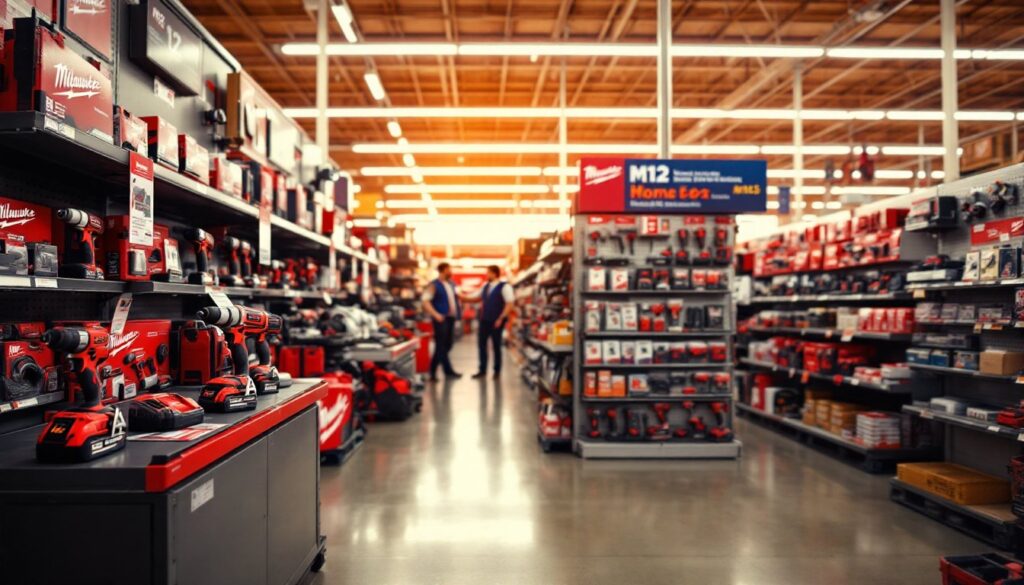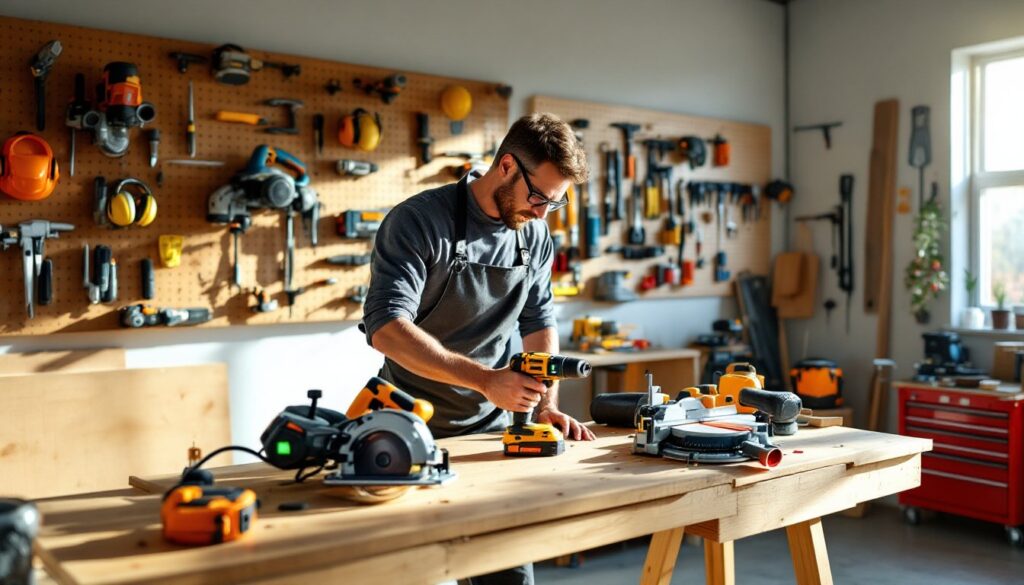

If you’re tired of hunting for tools scattered across your garage or basement, the Milwaukee Packout system offers a practical solution for organizing and transporting your workshop on wheels. This modular storage platform isn’t just another toolbox, it’s a complete ecosystem designed around the way modern DIYers actually work. Whether you’re tackling a weekend deck project or rotating through multiple rooms for drywall repairs, having a unified system keeps everything within arm’s reach and ready to go. In 2026, more homeowners are investing in smart storage because it saves time on the job and makes your workspace feel more professional, even in a garage corner.
Table of Contents
ToggleKey Takeaways
- A Milwaukee Packout system saves 30–45 minutes per project day by organizing tools in a modular, mobile storage platform that keeps everything within arm’s reach.
- Combine essential power tools (drill-driver, impact driver, circular saw) with hand tools and safety gear in labeled cases organized by project type for maximum efficiency.
- Store batteries in cool, dry locations, place heavier units at the bottom of stacks, and conduct monthly audits to maintain an organized, functional Packout setup.
- Milwaukee Packout’s modularity lets you transport only job-specific tools, reducing weight and vehicle space while extending tool life through protected, organized storage.
- A thoughtfully assembled Packout system pays for itself within a year if you’ve been replacing lost or damaged tools, plus improves workshop safety and professional appearance.
What Is The Milwaukee Packout System?
The Milwaukee Packout is a modular storage and transport system built around durable plastic cases that stack vertically and lock together with integrated latches. Unlike traditional toolboxes, Packout components can be mixed and matched, combining 2-inch deep organizers, 3-inch deep cases, and taller 4-inch units, so you build exactly what you need.
Each case features rubberized feet that prevent sliding, weather-resistant seals to protect contents from dust and moisture, and a structural design that distributes weight evenly. The stackable nature means you can bring only what you need to a specific job, then leave heavier units at home. A Packout cart, the wheeled base, connects to cases using the locking system, turning your collection into a mobile workshop that rolls through doorways without tipping.
What sets Packout apart from generic plastic storage is the integration with Milwaukee’s 18V and 20V power tool ecosystem. Cases are designed to accommodate these batteries, chargers, and tools without forcing you into awkward arrangements. The system also works with non-Milwaukee tools, though the modularity really shines when your gear matches the intended dimensions.
Essential Tools To Include In Your Packout Setup
Power Tools For Maximum Versatility
Start with a compact 18V drill-driver and impact driver combo, these are the workhorses for most home projects. Add a 6-inch circular saw or compact miter saw if you’re doing framing or trim work: a miter saw gives cleaner angle cuts and is worth the space if you cut regularly. A reciprocating saw handles demo work and plumbing cuts, while a random orbital sander tackles most finish work faster than hand sanding.
Include a flashlight or work light, jobsites are often poorly lit, and you can’t drive a fastener safely in shadows. A small shop vacuum or wet-dry vac attachment keeps dust manageable, especially if you’re cutting indoors. Power tools should stay charged: pack two battery sets (one in use, one charging) to avoid downtime. Slot a portable charger into your Packout so you’re never stranded with dead batteries mid-project.
Hand Tools And Accessories
No mobile workshop works without a quality hammer, tape measure (25-foot minimum), layout square, level, and adjustable wrench. These tools occupy minimal space but solve countless problems. Add a set of screwdrivers (Phillips and flathead in multiple sizes) and torpedo level for walls and shelves. Needle-nose pliers, slip-joint pliers, and adjustable pliers handle electrical and plumbing adjustments.
Include safety essentials: ANSI-rated safety glasses (keep spares), work gloves for handling rough lumber or metal, dust masks or respirator cartridges for sanding and demolition, and hearing protection if you’re running loud tools. Hearing damage is cumulative and irreversible, so don’t skip this. Stock fasteners in small organizers, 3-inch screws, 2-inch nails, lag bolts, so you’re not making extra hardware store runs. Throw in painter’s tape, pencils, a utility knife, and caulk gun for finishing work. Finally, pack an extension cord rated for outdoor use and a power strip: most garages and job sites have frustratingly few outlets.
Organization And Storage Best Practices
The temptation is to cram every Packout case with every tool, then wonder why you can’t find anything. Instead, organize by project type or frequency of use. Create a dedicated case for electrical work (screwdrivers, wire strippers, voltage tester, tape), another for drywall and finishing (sanding block, taping knives, joint compound spreader, level), and a third for fasteners and small hardware. Keep your most-used tools, hammer, measuring tape, square, drill, in a shallow case that sits on top so you grab it first.
Label every case with painter’s tape and a permanent marker: you’ll spend seconds finding the right box instead of opening three wrong ones. Store batteries in a cool, dry spot away from metal objects to prevent shorts. If you’re stacking cases on a Packout cart, place heavier units (power tools, batteries) at the bottom and lighter organizers on top for stability.
Every month or so, do a quick audit: remove tools you haven’t used in weeks, replace dull bits or broken sanding pads, and restock fasteners. A bloated, disorganized Packout defeats the whole purpose. The system’s real value comes from discipline, knowing exactly what’s inside and why you brought it. Moisture in enclosed spaces can cause rust, so store your Packout in a climate-controlled area if possible. If you work in humid conditions, toss a small silica gel packet into cases to reduce condensation.
Why Homeowners Choose Packout For DIY Projects
A well-organized Packout system saves 30 to 45 minutes per project day that would otherwise go toward hunting for tools or making trips back to the garage. When you’re running a tight weekend schedule, that’s significant. Unlike a single large toolbox, Packout’s modularity means you can leave 80% of your gear behind and take only what the job requires, reducing weight and freeing up vehicle space.
The system also extends tool life. Tools stored in a protected, organized case face less accidental damage than those left loose in a truck bed or tossed into a closet. You know exactly what you own, so you don’t buy duplicate tools by accident. Homeowners report that a Packout system pays for itself within a year if you’ve been replacing lost or damaged tools regularly.
From a safety perspective, organized storage means no tripping over extension cords, no reaching into dark spaces to find a wrench, and no confusion about which tool is where. A guest stepping into your workshop feels your competence immediately. If you resell a home, buyers notice an organized garage and perceive your upkeep more favorably, a small but real market signal.
The Fix This Build That team has reviewed Packout setups for various DIY scenarios, and they confirm that the modularity adapts to everything from plumbing repairs to full kitchen renovations. Popular Mechanics has covered, highlighting how the system reduces downtime on multi-room projects. If you’re serious about DIY beyond one-off projects, a Packout investment becomes a permanent part of your workflow.
Conclusion
A Milwaukee Packout system with a thoughtful tool selection transforms how you approach home improvement. You spend less time searching, more time building, and your tools last longer. Start small if budget is tight, add a cart and two or three cases, then expand as needs become clear. The beauty of the modular design is that it grows with your skills and projects without waste. If you’re serious about DIY work beyond quick fixes, this system pays dividends in efficiency and peace of mind.