
Working in a garage or job site when temperatures drop into the 30s or 40s Fahrenheit kills motivation fast. Your hands get stiff, you lose dexterity, and a simple framing task becomes a three-hour misery. A Milwaukee Tools heated jacket solves that problem by pairing the durability you’d expect from a heavy-duty tool brand with genuine warmth that doesn’t weigh you down. Whether you’re tackling winter deck repairs, setting up a cold workshop, or just tired of layering up like you’re heading to the Arctic, a heated jacket keeps you comfortable enough to focus on the work. This guide walks through what makes Milwaukee’s heated jackets tick, who should buy one, and how to keep yours in top condition for years of cold-weather projects.
Table of Contents
ToggleKey Takeaways
- A Milwaukee Tools heated jacket combines jobsite durability with battery-powered warmth using M12 or M18 lithium-ion batteries, delivering heat in 15–30 seconds with temperatures reaching 95–107°F in the chest and back zones.
- Battery runtime ranges from 2–6 hours depending on heat setting and battery capacity, so carrying a second charged battery ensures full-day outdoor work in cold conditions.
- Milwaukee heated jackets feature heavy-duty polyester or canvas shells with reinforced seams and enclosed heating elements, making them far more durable than fashion-focused heated apparel for jobsite conditions.
- A Milwaukee heated jacket is ideal if you already own M12 or M18 tools, work outdoors in fall or winter, maintain an unheated workshop, or have cold sensitivity that impacts work quality.
- Maintenance is simple: remove the battery after use, wipe the jacket with a damp cloth, spot-clean stains, and store both jacket and battery in a cool, dry place—avoid machine washing to protect the heating elements.
What Is a Milwaukee Tools Heated Jacket?
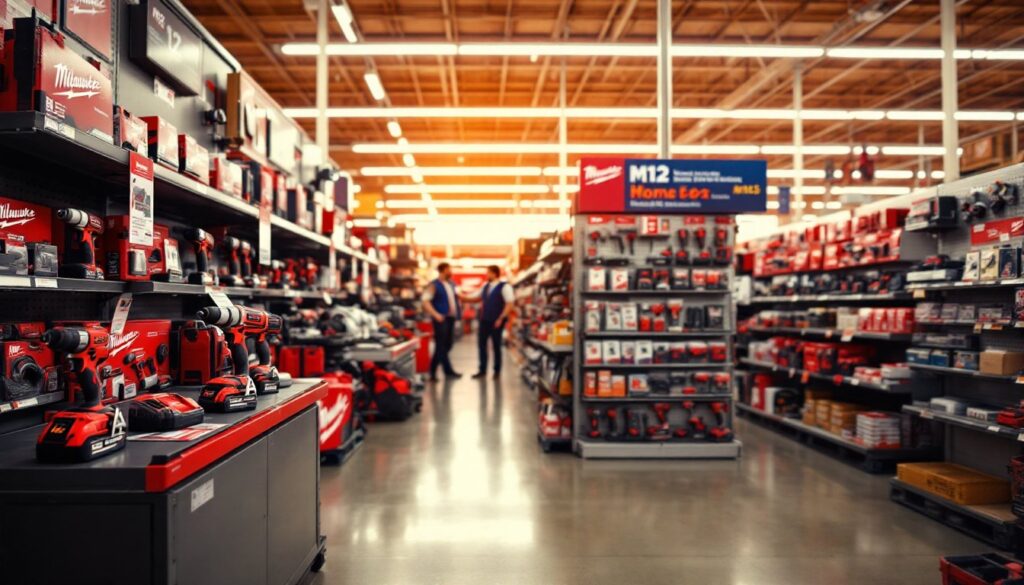
A Milwaukee Tools heated jacket is a work-rated jacket with embedded heating elements powered by Milwaukee’s M12 or M18 lithium-ion batteries (the same batteries that run drills, impact drivers, and other cordless tools). Unlike novelty heated apparel, Milwaukee designs these jackets for jobsite toughness, they’re meant to survive concrete dust, scratches, and hard use while keeping your core warm in freezing conditions.
The heating system uses thin, durable heating pads woven into the chest and back panels. These aren’t bulky or uncomfortable: they distribute heat evenly without hot spots. You control temperature with a simple button or digital control, cycling through settings (low, medium, high) to match conditions and battery life. A single charge typically lasts 2 to 6 hours depending on heat setting and battery capacity.
Milwaukee makes several models in this category, including the M12 Heated Jacket and the M18 Heated Jacket. The M12 version is lighter and more packable, while the M18 offers longer runtime at the cost of a heavier battery. Both integrate seamlessly with Milwaukee’s ecosystem: if you already own a few M12 or M18 tools, you’re not buying a new battery system.
Key Features and Technology You Need to Know
Battery-Powered Heating System
The heating element is the heart of the jacket. Milwaukee uses carbon-fiber heating pads strategically placed in high-heat-loss zones (chest, back, and sometimes sleeves). These pads warm up in seconds once you turn the jacket on, unlike traditional electric heaters that take time to build warmth. On the highest setting, you’re looking at roughly 95–107°F at the heated zones, which is hot enough to feel cozy without burning skin or creating a fire hazard.
Battery life varies. An M12 3.0 Ah battery on high heat typically runs 2 to 3 hours: on low, you’ll get 5 to 6 hours. M18 batteries last longer, 5 to 8 hours on high, depending on cell capacity (3.0 Ah, 5.0 Ah, or higher). If you’re doing a full day of outdoor work, carry a second charged battery and swap them out. The jacket accepts any compatible Milwaukee battery, so you can even borrow a neighbor’s spare.
Durability and Material Quality
Milwaukee doesn’t cut corners on fabric. Most heated jackets in their lineup feature heavy-duty polyester or canvas-blend outer shells with water-resistant or waterproof coatings. The inner lining is typically a soft fleece or brushed material for comfort against skin. Seams are reinforced, zippers are heavy-duty nylon or metal, and the whole garment is designed to endure site conditions.
The heating elements themselves are enclosed in durable fabric layers, protecting them from punctures, snagging, or moisture damage. Independent tests and reviews, including those from editors at major outlets testing heated jackets and comprehensive guides on heated apparel, consistently note Milwaukee’s durability advantage over fashion-focused heated jackets. That said, avoid submerging a heated jacket or throwing it in the washing machine: surface cleaning and spot treatment are the safe play.
Who Should Invest in a Heated Jacket?
A Milwaukee heated jacket makes the most sense if you meet one or more of these criteria:
You already own Milwaukee M12 or M18 tools. If your garage is stocked with cordless tools from the same battery platform, you’re maximizing your investment. Buying a heated jacket that shares batteries eliminates the cost and clutter of a standalone heated-apparel ecosystem.
You work outside in fall or winter. Deck building, fence installation, roof repairs, and exterior painting all benefit from staying warm. When your core temperature is stable, you make fewer mistakes, work faster, and stay safer (cold muscles are injury-prone).
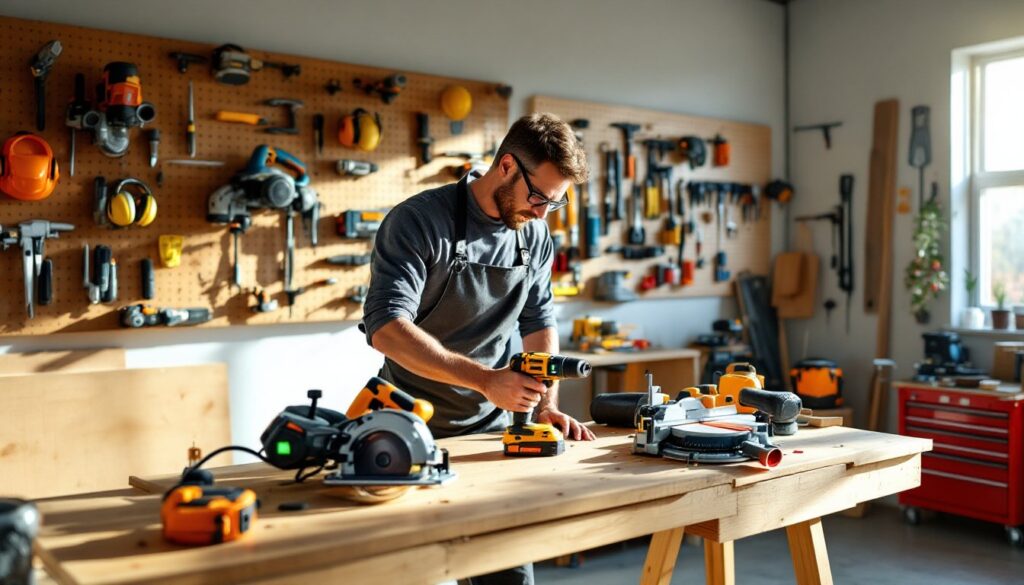
Your workshop is unheated or poorly insulated. If you’re doing detail work in a garage that doesn’t have reliable heat, a heated jacket keeps precision in your hands. Cold hands mean dropped tools, misaligned holes, and botched finishes.
You’re sensitive to cold or have circulation issues. Some DIYers just feel the cold more: a heated jacket isn’t a luxury for them, it’s what makes winter projects possible.
If you live in a temperate climate and do most work indoors or in warmer months, a heated jacket is overkill. Also, heated jackets aren’t casual wear, they’re tool-grade apparel. If you’re looking for a lightweight heated vest for everyday wear, fashion brands might serve you better. Milwaukee’s heated jackets are built for the jobsite, not the coffee shop.
How to Use and Maintain Your Heated Jacket
Before first use, charge your battery fully. Most Milwaukee M12 batteries charge in 30 to 45 minutes using a standard charger: M18 batteries take longer depending on capacity. Verify the battery fits your jacket’s battery port (M12 and M18 are not cross-compatible, so double-check).
Insert the battery into the pocket or attachment point on the jacket, usually a small pouch on the front or inside. Press the power button and cycle through heat settings. You’ll notice warmth in the chest and back within 15 to 30 seconds. Adjust as needed: if you’re too warm, dial it down. If you’re working hard and sweating, turn off the jacket before it adds to overheating.
Safety note: Always wear eye protection, gloves, and other PPE as your project demands. A heated jacket keeps you comfortable but doesn’t replace hand protection or safety gear.
Maintenance is straightforward. After use, remove the battery and store it separately (do not leave it in the jacket for long periods). If the jacket gets dusty or muddy, wipe it down with a damp cloth. For heavier stains, use mild soap and spot-clean affected areas. Let it air-dry completely before storing. Do not machine wash, dry clean, or wring out a heated jacket, the heating elements can be damaged.
Store both jacket and battery in a cool, dry place during off-season. Batteries degrade faster in extreme heat, so avoid a hot garage in summer. Check the battery before cold season: if it’s several years old and barely holds a charge, replacement batteries are widely available and reasonably priced.
Inspect the jacket periodically for torn seams, punctures, or loose zippers. Small tears in the outer shell can be patched with fabric adhesive or a sewing kit. Torn heating pads or internal damage usually means replacement is the safer option, DIY repairs inside the jacket risk electrical hazards. Construction workers and outdoor enthusiasts frequently cite Milwaukee’s heated jackets as reliable tools that survive repeated jobsite use, a testament to build quality and design.
Conclusion
A Milwaukee Tools heated jacket bridges the gap between comfort and toughness on the jobsite. It’s not an impulse buy, but if you’re serious about year-round DIY or outdoor work and own compatible Milwaukee batteries, it’s a smart investment that pays dividends in productivity and morale. Stay warm, stay sharp, and get the project done right.