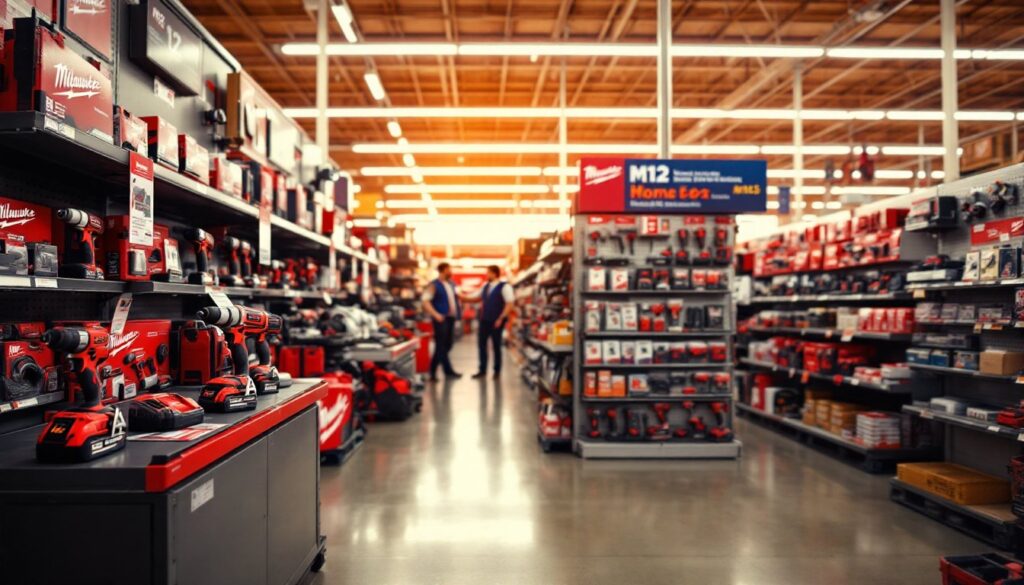

A dark corner, a crawlspace, or that job site in the garage at 7 p.m., proper lighting makes the difference between a quick project and a frustrating one. Milwaukee Tools lights have become a go-to choice for homeowners and professionals alike, and for good reason. They’re built tough, they deliver reliable brightness, and they integrate seamlessly with the M18 and M12 battery platforms that many DIYers already own. Whether you’re hanging drywall, running electrical conduit, or just trying to see what you’re doing, choosing the right work light matters. This guide walks you through what makes Milwaukee’s lighting lineup tick, the different types available, and which models are worth bringing home for your next project.
Table of Contents
ToggleKey Takeaways
- Milwaukee Tools lights are engineered for durability and integrate seamlessly with M18 and M12 battery platforms you likely already own, eliminating the need for separate charging systems.
- Choose handheld models (300–800 lumens) for inspections and detailed work, or portable stand lights (1500+ lumens) for sustained area lighting, depending on your project scope.
- Critical specs to compare include lumen output, color temperature (warmer 2700K light reduces eye strain; cooler 5000K+ shows details crisply), and runtime on your expected brightness setting.
- Look for durability features like rubber overmold, water-resistant housing rated IPX4 or higher, and tempered glass lenses if working in wet or dusty conditions.
- The M18 Handheld LED Flashlight (2130-20) is an affordable entry point under $40, while the M18 Cordless Work Light (2135-20) offers reliable area lighting for garage and basement projects without premium pricing.
What Makes Milwaukee Work Lights Stand Out
Milwaukee work lights aren’t fancy, they’re engineered for the job. The brand’s reputation stems from rugged construction, high lumen output, and the ability to run on batteries you likely already have. If you own a Milwaukee impact driver or circular saw on the M18 or M12 platform, you’re already invested in their ecosystem.
These lights are built to handle drops, dust, and damp conditions without quitting. Most models feature rubber overmold for impact resistance and water-resistant housing, making them suitable for basement projects or outdoor work. They don’t just produce light, they produce useful light. High-quality LEDs deliver crisp, natural color rendering (rated in Kelvin temperature), which matters when you’re color-matching trim or spotting imperfections in drywall tape.
The battery compatibility is a genuine advantage. Pairing a work light with your existing M18 batteries means one charging system for multiple tools. No hunting for AA batteries or tangled extension cords running through the work site. That simplicity keeps your hands free and your focus on the task.
Types of Milwaukee Lighting Options for Home Projects
Milwaukee offers several lighting categories. The key is matching the tool to the scope and location of your work.
Handheld and Flashlight Models
Handheld lights are the grab-and-go option. The Milwaukee M18 flashlight and M12 compact handheld models are lightweight and easy to tuck into a tool belt or jacket pocket. They’re perfect for inspecting inside walls, looking into drain lines, or spotting the stud you need to nail into. Compact models typically produce 200–800 lumens and run 10–40 minutes per charge, depending on brightness level.
These aren’t overkill for what they do, but they’re reliable. The grip is usually textured or rubberized, so your hands stay stable when you’re squinting into tight spaces. Many include a clip or magnet for mounting on metal surfaces, handy when both your hands are busy holding a reciprocating saw or drill.
Portable Job Site Lights
When you need area lighting, say, for framing a wall or assembling furniture, portable job site lights are the move. Milwaukee’s M18 portable stand lights deliver 1500–3000+ lumens and can run 4–8 hours on a single charge depending on output mode. They typically mount on a tripod or adjustable stand, positioning light exactly where you need it.
These are heavier than handheld options but far more practical than a flashlight for sustained work. A 3000-lumen light will illuminate a 20×20-foot workspace without harsh shadows. The stand lets you position the light at the angle that minimizes glare on surfaces you’re working on, crucial when staining or painting. Resources like Popular Mechanics cover shop lighting setup in detail, which helps contextualize why location and angle matter so much.
Key Features to Consider Before Buying
Don’t just grab the brightest model and call it a day. Several features affect real-world usability.
Lumen output is the first spec to check. For handheld work, 300–800 lumens is plenty. For area lighting, aim for 1500 lumens minimum: 2500+ is better for large or dark spaces. But brightness alone isn’t the whole story, color temperature (measured in Kelvin) matters too. Warmer light (2700K) is easier on the eyes during long sessions: cooler light (5000K+) shows details more crisply but can feel harsh.
Runtime depends on the battery and the brightness setting. An M18 compact handheld might run 45 minutes at full brightness but 2+ hours on lower settings. Check the spec sheet for runtime at your expected brightness level, not just the theoretical maximum. If you’re mid-project when the light dies, you’ve made a mistake.
Battery compatibility is a huge convenience factor. If you already own M18 or M12 batteries from other tools, a compatible light means zero additional investment in charging infrastructure. But, some premium models use proprietary battery packs, so verify compatibility before buying.
Durability features include rubber overmold for drop protection, water-resistant seals (not waterproof, there’s a difference), and lens type (tempered glass resists scratching better than plastic). If you’re working in wet conditions, check that the rating is IPX4 or higher for splash resistance. Tools reviewed at Family Handyman emphasize this durability testing, especially for outdoor or basement use.
Mounting and portability round out the list. Does it have a clip, magnet, or mounting bracket? Can you position it one-handed? Is the stand sturdy on uneven floors? These details sound minor until you’re trying to juggle a light, a level, and a pencil.
Best Milwaukee Light Models for DIY Homeowners
A few specific models worth considering:
The M18 Handheld LED Flashlight/Work Light (2130-20) is a solid entry point for DIYers. It delivers up to 800 lumens, clips to a belt or pocket, and costs less than $40 (before battery). It runs on M18 batteries and delivers runtime that matches handier tasks. Not flashy, but reliable and practical.
For area lighting without very costly, the M18 Cordless Work Light (2135-20) stands on an adjustable tripod, produces 1800–2000 lumens, and runs about 6 hours on a full M18 battery at medium output. It’s bright enough for most basement or garage work and folds down for storage. The weighted base resists tipping, which matters if someone walks past the stand.
If you’re willing to spend more, the M18 LED Work Light (2130-20) or the newer 3000+ lumen stand models offer premium brightness and longer runtime. The trade-off is weight (some exceed 2 lbs) and cost ($200–300+ depending on the model). Only justify this if you’re doing frequent, sustained lighting work or have a larger workspace.
For handheld precision work, the M12 Compact Handheld Light is worth examining. It’s lighter than M18 options, easier to grip one-handed, and perfectly adequate for inspecting cavities or hard-to-reach spots. M12 batteries are also cheaper and charge faster, though they don’t last as long on a single charge.
Before buying any model, check the current lineup at retailers or on Milwaukee’s site, new versions roll out regularly, and stock changes by region. Ana White’s collection of woodworking plans doesn’t focus on lighting, but many of her projects mention the importance of proper shop lighting when assembling furniture, a good reminder that the tool you choose should fit your actual workflow.
Conclusion
Milwaukee work lights deliver reliable, durable illumination without fuss. Pick handheld models for on-the-go tasks, grab a stand light for area coverage, and verify battery compatibility and runtime for your specific project scope. The right light won’t finish the job for you, but the wrong one will slow you down every single time.